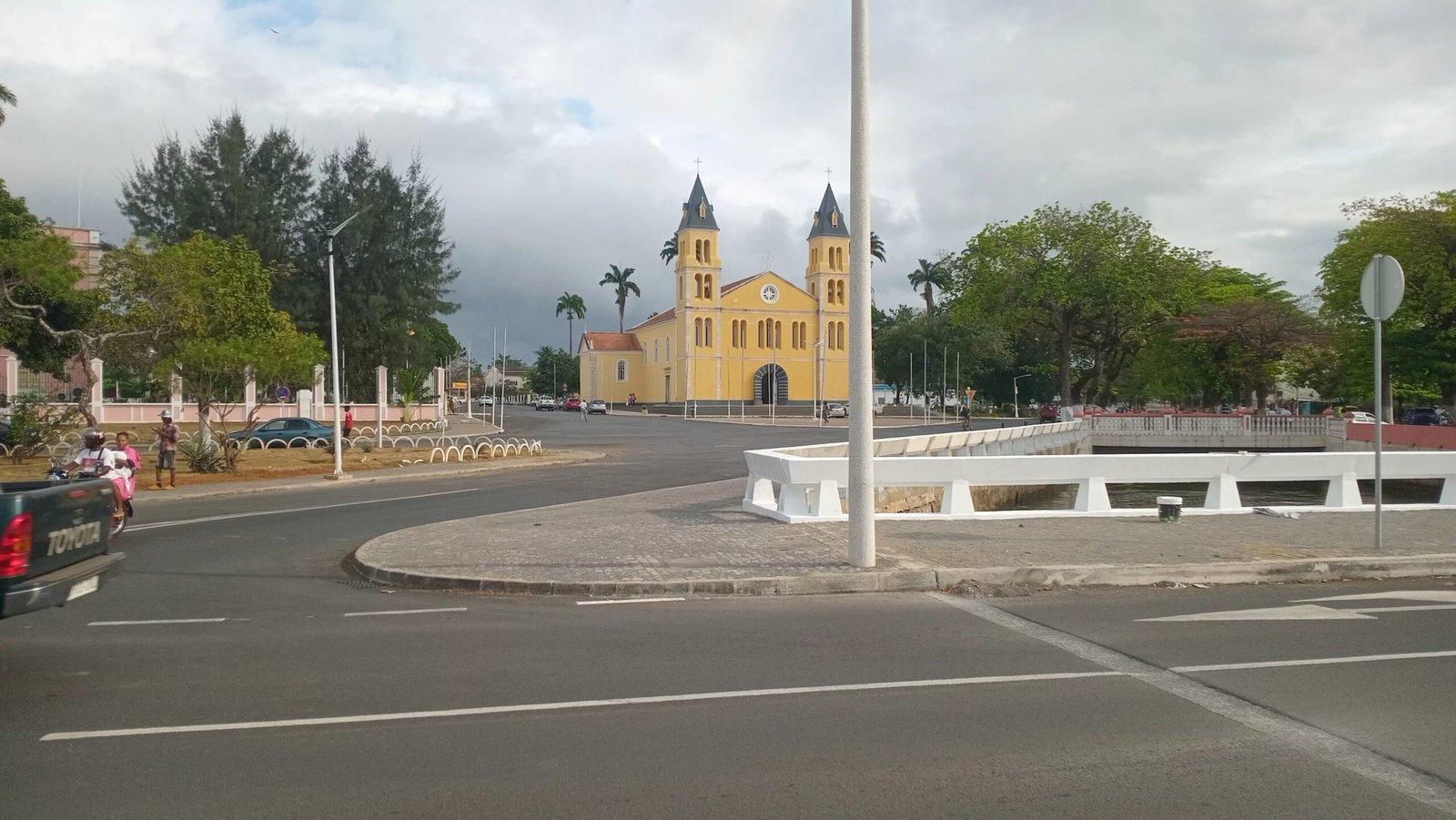
São Tomé and Príncipe is widely known for its tropical beaches, volcanic landscapes, lush rainforests, cocoa plantations and extraordinary biodiversity. However, beyond its natural beauty lies another fascinating dimension of the islands: a rich archaeological and historical heritage shaped by centuries of exploration, colonisation, agriculture, trade, migration and cultural exchange.
For travellers interested in history and heritage, São Tomé Archaeology Tours offer an opportunity to discover a different side of the country. Instead of simply visiting beautiful landscapes, archaeological tours connect visitors with the places, ruins, plantations, churches, old settlements and historic structures that tell the story of São Tomé and Príncipe.
From abandoned sugar plantations and former agricultural estates to historic city buildings and archaeological remains, the island provides a fascinating journey through different periods of its past.
Why Choose an Archaeology Tour in São Tomé?
An archaeology tour is more than a sightseeing excursion. It is a journey into the history of a destination and an opportunity to understand how people lived, worked and interacted with the environment over generations.
São Tomé’s history is closely connected with the development of plantation agriculture. Sugar was one of the first major agricultural products cultivated on the island on a large scale. Later, cocoa and coffee became particularly important to the economy.
The remains of these agricultural systems can still be found throughout the island.
Old plantation houses, agricultural buildings, stone structures, roads, bridges, churches, warehouses and other ruins provide physical evidence of the island’s complex past.
Walking through these locations with a knowledgeable local guide allows visitors to understand that the ruins are not simply old buildings. They are part of a much larger historical landscape.
The Archaeological Heritage of São Tomé
The archaeological heritage of São Tomé includes both visible structures and less obvious traces of human activity.
Some sites are associated with the colonial period and plantation economy, while others reveal information about settlement patterns, architecture, agriculture and the relationship between people and the island’s natural environment.
Historic structures can be found in and around São Tomé city as well as in rural areas.
The island’s old roças, or plantation estates, are particularly important. These complexes were not simply farms. Many operated as self-contained communities, with accommodation, administrative buildings, agricultural facilities, churches, workshops, hospitals, schools and other structures.
Today, some roças remain active communities, while others survive partly or completely in ruins.
Their architecture and layout provide important clues about the organisation of plantation society.
São Tomé’s Historic Roças
One of the most distinctive features of São Tomé’s cultural landscape is the network of historic roças.
The Portuguese term “roça” is commonly used to describe the plantation estates that played an important role in the island’s agricultural history.
During different periods, these estates produced crops such as sugar, coffee and cocoa.
A visit to a historic roça can reveal how agricultural production was organised and how these large estates influenced the development of São Tomé.
Visitors may see old plantation houses, workers’ quarters, warehouses, railway-related infrastructure, drying areas, agricultural buildings and religious structures.
Each site has its own character.
Some are relatively well preserved, while others have been affected by time, vegetation and weather. In many places, nature is gradually reclaiming the architecture, creating a striking combination of tropical vegetation and historic ruins.
Praia Melão and Its Archaeological Heritage
Among the places that can be included in a São Tomé archaeology experience is Praia Melão, an area associated with the island’s historic sugar production.
The archaeological remains connected with old sugar production provide an opportunity to investigate an important period in São Tomé’s history.
Sugar played a major role in the early economic development of the island. Historical remains associated with sugar production can help visitors understand the technology, organisation and infrastructure required by the plantation economy.
At Praia Melão, the combination of archaeological remains and the surrounding landscape creates an interesting setting for heritage tourism.
An archaeological visit should not simply focus on taking photographs of ruins. A local guide can explain what the structures may have been used for, how production was organised and how the site fits into the broader history of São Tomé.
For visitors interested in industrial archaeology, plantation history and cultural heritage, Praia Melão can therefore become an important part of a historical itinerary.
Archaeology and the History of Sugar
The history of sugar in São Tomé is essential for understanding the island’s early development.
Sugar cultivation expanded during the Portuguese colonial period, and São Tomé became an important centre of sugar production in the Atlantic world.
The plantation system required land, agricultural infrastructure, processing facilities and labour.
Archaeological remains can help researchers and visitors understand this system through physical evidence.
Old foundations, walls, processing areas and other structures can provide information about how plantations functioned.
The landscape itself can also be considered part of the archaeological heritage.
Old agricultural areas, paths, water systems and settlement patterns may preserve traces of activities that took place centuries ago.
This makes an archaeology tour especially interesting because the visitor is not simply exploring individual buildings. The entire landscape can become part of the historical story.
The Archaeology of Cocoa and Coffee Plantations
Although sugar represents an important earlier chapter, cocoa and coffee later transformed São Tomé’s agricultural landscape.
The islands became internationally associated with cocoa production, and large plantation estates expanded across São Tomé.
Many historic roças still reflect this period.
A cultural and archaeological tour can introduce visitors to the architecture and organisation of these estates while explaining the importance of cocoa and coffee to the island’s economy.
Visitors can learn about cocoa cultivation, plantation processing and the lives of the communities connected with these estates.
Some tours can combine historical exploration with visits to agricultural areas where cocoa and other crops are still cultivated.
This creates a connection between the archaeological past and the living agricultural traditions of modern São Tomé.
Archaeology in São Tomé City
The capital city is another important starting point for understanding the country’s heritage.
São Tomé city contains historic buildings, religious monuments, streets and other structures that reflect different periods of the island’s development.
A walking heritage tour can introduce visitors to historic areas while explaining the evolution of the city.
Churches and other religious buildings are particularly significant because Christianity became deeply connected with the colonial history of the islands.
The city’s architecture also reflects different influences, including Portuguese colonial traditions and local adaptations.
Exploring the historic centre with a local guide allows visitors to see details that might otherwise be overlooked.
A building may appear simple at first glance, but its architecture, location and historical function can reveal important information about the city’s past.
Archaeology, Culture and Local Communities
Archaeological tourism should not be separated from the people who live around historic sites.
Many archaeological and plantation landscapes are part of living communities.
People continue to live, work, farm and maintain their traditions in areas that also contain historic structures.
For this reason, responsible archaeology tourism should respect local communities and their relationship with heritage sites.
Visitors should avoid climbing fragile ruins, removing objects or stones, damaging structures or disturbing archaeological remains.
Photography should also be conducted respectfully, especially when visiting communities, religious buildings or privately managed locations.
A good local guide helps visitors understand these cultural considerations.
What Can You Expect from a São Tomé Archaeology Tour?
A typical archaeology tour can be adapted according to the visitor’s interests, available time and physical ability.
A full-day experience might combine several historical locations with scenic landscapes and cultural attractions.
For example, an itinerary could include:
– Historic São Tomé city
– Former plantation estates
– Archaeological remains
– Praia Melão
– Historic churches
– Cocoa and coffee plantations
– Old agricultural infrastructure
– Traditional communities
– Local cultural experiences
– Scenic viewpoints and natural landscapes
The exact itinerary can be adapted according to the interests of each group.
History enthusiasts may prefer a tour focused primarily on archaeological and colonial heritage, while travellers looking for a broader experience can combine archaeology with nature, gastronomy and local culture.
Why a Local Archaeological Guide Matters
Exploring archaeological sites without interpretation can be interesting, but having a knowledgeable local guide can transform the experience.
A guide can explain the historical context of a building, identify different types of structures and describe how a plantation operated.
More importantly, a guide can connect individual locations into a coherent story.
Instead of seeing an abandoned building, the visitor begins to understand its function.
Instead of seeing a ruined plantation, the visitor learns about the agricultural system, transportation, architecture and communities associated with it.
Local guides also provide practical information about access, terrain, weather and appropriate behaviour at heritage locations.
Responsible Archaeological Tourism
São Tomé’s archaeological heritage is valuable and, in many places, fragile.
Responsible tourism is therefore essential.
Visitors should never remove pottery fragments, stones, metal objects or other materials from archaeological sites. Even apparently insignificant objects may contain information that is important for researchers.
Visitors should also avoid damaging walls or entering unstable structures.
Following marked paths and local instructions helps protect both the visitor and the archaeological site.
Tour operators have an important role in promoting sustainable heritage tourism.
By encouraging responsible behaviour and supporting local communities, tourism can contribute to the long-term preservation of São Tomé’s historical heritage.
Combining Archaeology with Nature
One of the advantages of exploring São Tomé is the possibility of combining archaeology with nature.
A historical site may be surrounded by rainforest, plantations, mountains or tropical vegetation.
This creates a distinctive travel experience in which cultural heritage and natural heritage are experienced together.
A day might begin with a visit to a historic plantation and continue through cocoa-growing areas before reaching a waterfall, forest trail or coastal viewpoint.
For travellers who want more than conventional sightseeing, this combination offers a deeper understanding of the island.
The landscape becomes part of the story.
Who Should Take a São Tomé Archaeology Tour?
São Tomé archaeology tours are suitable for a wide variety of travellers.
They can be particularly interesting for:
– History enthusiasts
– Archaeology enthusiasts
– Cultural travellers
– Photographers
– Students and researchers
– Heritage tourism visitors
– Architecture enthusiasts
– Cocoa and coffee enthusiasts
– Cruise passengers
– Private travellers
– Couples and families
– Travellers looking for authentic local experiences
The experience can be adapted for individuals or private groups.
A private tour can also provide greater flexibility, allowing travellers to spend more time at locations that interest them most.
Best Way to Experience São Tomé’s History
The best way to understand São Tomé’s archaeological heritage is to combine historical evidence with local knowledge.
A historic building tells part of the story. The surrounding landscape tells another part. Oral traditions, local communities and agricultural practices can provide additional context.
Together, these elements create a much richer picture of São Tomé’s past.
This is why archaeology tourism can be an excellent complement to beach holidays and nature excursions.
Instead of simply visiting São Tomé, travellers can begin to understand how the island developed and how its history continues to influence life today.
Book Your São Tomé Archaeology Experience
If you are planning a trip to São Tomé and want to explore the island beyond its beaches and natural attractions, a São Tomé Archaeology Tour can offer a memorable journey through history.
Explore historic plantations, archaeological remains, old agricultural landscapes, colonial architecture and cultural sites while learning about the people and events that shaped São Tomé and Príncipe.
A local tour operator can help organise a personalised itinerary according to your interests, available time and preferred level of activity.
Whether you are interested in plantation archaeology, sugar history, cocoa heritage, historic architecture or the broader cultural history of the islands, São Tomé offers many opportunities for discovery.
The ruins and historic landscapes are more than reminders of the past. They are part of the identity and cultural heritage of São Tomé and Príncipe.
Discover the archaeological side of São Tomé. Walk through historic landscapes, explore forgotten plantation sites, learn about the island’s sugar, cocoa and coffee heritage, and experience the stories behind the ruins with a local guide.
Your journey through São Tomé’s history can begin with a single archaeological site—and continue across an entire island shaped by centuries of human activity.
São Tomé Archaeology Tours – Explore the Past, Understand the Island
From historic São Tomé city to old plantation estates and the archaeological heritage of Praia Melão, every site offers another piece of the country’s story.
Explore. Discover. Learn. Experience São Tomé through its archaeology and history.
São Tomé Archaeology Tours: Discover the Archaeological Heritage of São Tomé and