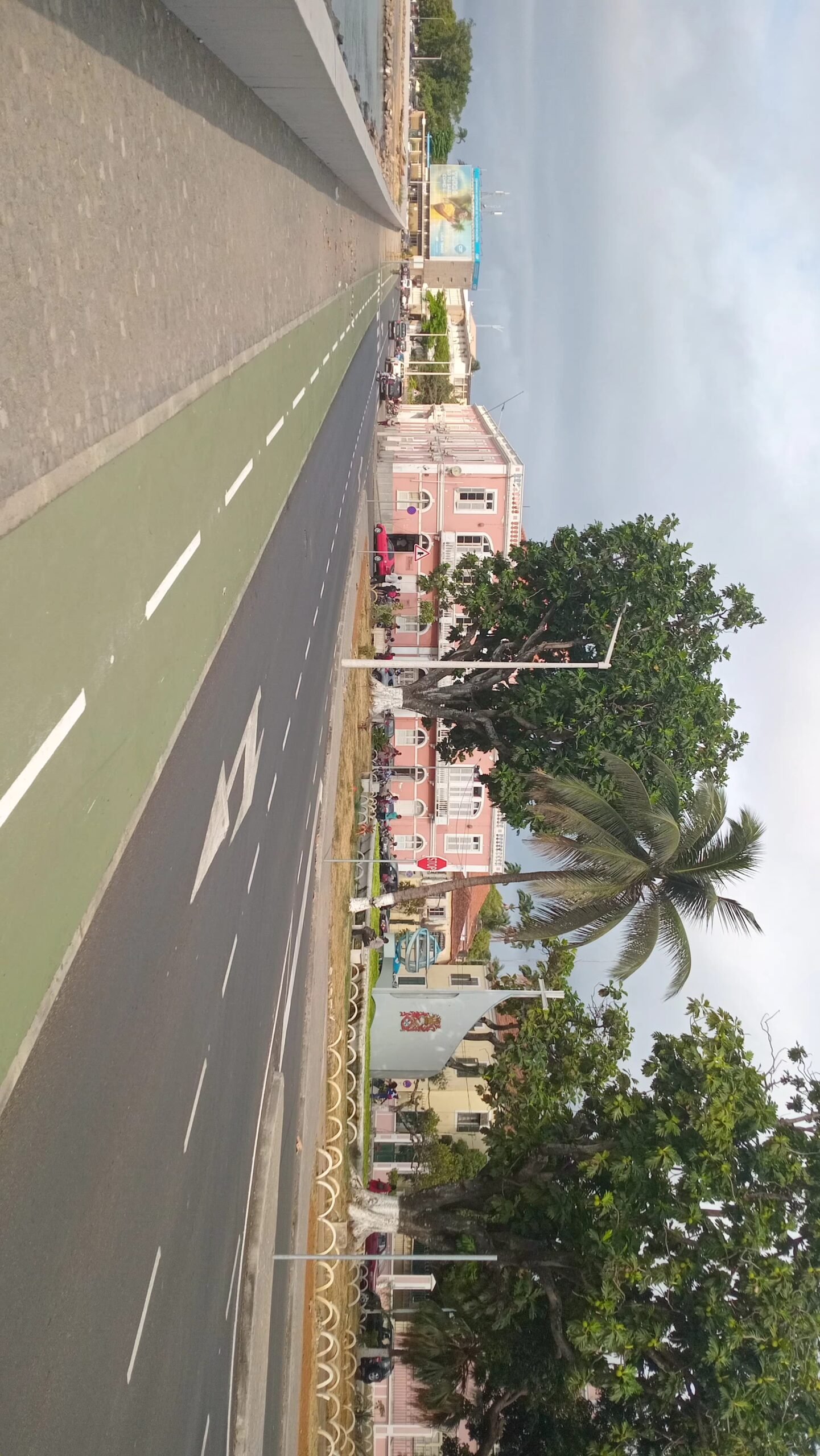
São Tomé and Príncipe is an extraordinary destination for travellers interested in nature, culture and history. Known for its volcanic landscapes, tropical forests, cocoa plantations, beautiful beaches and rich biodiversity, the archipelago also preserves a fascinating cultural and archaeological heritage.
For travellers who want to go beyond conventional sightseeing, São Tomé and Príncipe Archaeology Tours provide an opportunity to discover the historical landscapes, old plantations, architectural remains and cultural sites that have shaped the identity of the islands.
The archaeological heritage of São Tomé and Príncipe is closely connected to the history of settlement, Portuguese colonial expansion, plantation agriculture, sugar production, cocoa and coffee cultivation, maritime trade and the development of local communities.
From historic plantations on São Tomé Island to the cultural landscape of Príncipe Island, archaeology tours reveal another side of the destination—one that cannot be fully understood simply by visiting beaches and natural attractions.
What Makes São Tomé and Príncipe Archaeology Tours Special?
Archaeology tourism is about more than visiting ancient ruins. It is about understanding the relationship between people, buildings, landscapes and historical events.
In São Tomé and Príncipe, many historic sites are integrated into tropical landscapes. Old plantation buildings may be surrounded by enormous trees, rainforest vegetation, cocoa plantations or rural communities. Former agricultural estates can appear partly abandoned, while others continue to have a role in contemporary life.
This creates a unique experience for visitors.
A historic building is not simply an old structure. It can provide evidence of how an agricultural estate operated, how goods were processed, where people lived and how transportation and administration were organised.
With a local guide, visitors can connect these physical remains with the broader history of the islands.
The Historical Background of the Islands
São Tomé and Príncipe has a complex history shaped by European exploration, settlement, plantation agriculture, international trade and cultural exchange.
The Portuguese established settlements on the islands during the late fifteenth century. Over time, agricultural production became central to the development of São Tomé.
Sugar production played an important role in the early colonial economy. Later, coffee and especially cocoa became major agricultural products.
The development of plantations transformed the landscape.
Large estates, known locally as roças, were established across São Tomé and later became important centres of agricultural production.
These plantations required extensive infrastructure, including houses, administrative buildings, workers’ accommodation, processing facilities, warehouses, roads and other structures.
Many traces of this historical landscape remain visible today.
The Roças: Living Archaeological Landscapes
One of the most important elements of São Tomé and Príncipe’s heritage is the network of historic roças.
A roça was more than a plantation. Many were organised as complex communities with different areas dedicated to administration, agriculture, processing, housing, religion and social activities.
Walking through a historic roça can therefore feel like entering an open-air historical landscape.
Visitors may encounter old plantation houses, agricultural buildings, warehouses, workshops, churches, workers’ quarters and other structures.
Some buildings have been restored or adapted to modern uses, while others remain in various stages of deterioration.
The contrast between historical architecture and tropical vegetation makes these locations particularly fascinating for photography and heritage exploration.
Archaeological Heritage of São Tomé Island
São Tomé Island contains many locations where visitors can explore the relationship between history, agriculture and architecture.
A heritage itinerary can include historical areas around São Tomé city, old plantations, agricultural landscapes and archaeological remains connected with sugar, cocoa and coffee production.
The island’s tropical environment also contributes to the character of its archaeological heritage.
In some locations, vegetation has grown around old structures, creating a dramatic visual combination of architecture and rainforest.
Rather than treating these places as isolated ruins, archaeology tours can interpret them as parts of a larger historical network.
The roads, agricultural areas, water systems, buildings and surrounding settlements can all contribute to understanding how the island functioned in the past.
Praia Melão and the History of Sugar
One of the interesting locations for an archaeological and historical tour is Praia Melão, associated with São Tomé’s early sugar-producing history.
Sugar production was an important part of the island’s early economic development, and archaeological remains connected with this period provide clues about the organisation of plantation production.
Exploring Praia Melão with a guide allows visitors to examine the physical remains while learning about the historical importance of sugar in São Tomé.
The site can be particularly interesting for travellers interested in industrial archaeology and the history of agricultural technology.
Instead of simply looking at ruins, visitors can learn how sugar production influenced settlement patterns, infrastructure and the development of the island.
Praia Melão can therefore form an important component of a broader São Tomé archaeology tour.
São Tomé City: History and Architecture
The capital, São Tomé, is another important starting point for understanding the historical development of the archipelago.
The city contains historic churches, colonial-era buildings, public spaces and residential architecture that reflect different periods of its development.
A walking tour through the historic centre can reveal architectural details that may otherwise be overlooked.
Religious buildings are particularly significant because Christianity became an important part of the islands’ colonial history.
Historic urban architecture also demonstrates how European architectural traditions were adapted to a tropical environment.
For visitors interested in architectural archaeology and cultural heritage, São Tomé city provides an accessible introduction to the history of the country.
Cocoa and Coffee Heritage
The development of cocoa and coffee production created another major chapter in São Tomé and Príncipe’s history.
The islands became internationally associated with cocoa, while coffee also played an important role in plantation agriculture.
Many historic estates were designed around agricultural production.
Visitors exploring these areas can see how agricultural landscapes were connected to processing facilities, transportation routes, housing and administrative buildings.
A cocoa or coffee heritage experience can therefore combine archaeology, agriculture and gastronomy.
Travellers may visit a plantation, learn about traditional cultivation, explore historical structures and discover how cocoa continues to form part of the cultural identity of São Tomé and Príncipe.
Príncipe Island and Its Cultural Heritage
Although São Tomé Island contains many of the archipelago’s larger historical plantation landscapes, Príncipe Island offers a different heritage experience.
Príncipe is smaller, more secluded and characterised by spectacular tropical landscapes.
Its history is also closely connected with plantation agriculture and colonial settlement.
The island contains historic buildings and plantation landscapes that reflect its agricultural past.
Exploring Príncipe through a heritage tour allows visitors to combine history with the island’s exceptional natural environment.
Historic settlements, plantation remains and traditional communities can be interpreted alongside forests, mountains and coastal landscapes.
This combination makes Príncipe particularly attractive for travellers who want to experience cultural heritage in a quieter and more intimate environment.
Santo António and the History of Príncipe
The town of Santo António is an important cultural and historical centre on Príncipe Island.
A walking tour can introduce visitors to the town’s architecture, churches, streets and cultural traditions.
The small scale of Santo António makes it possible to explore much of the historic environment on foot.
The town also provides an opportunity to understand how the island developed as a centre of administration, religion and commerce.
Combining a visit to Santo António with nearby plantation landscapes can provide a broader perspective on Príncipe’s history.
Archaeology, Plantation Architecture and Nature
One of the defining characteristics of archaeology tourism in São Tomé and Príncipe is the close relationship between historic sites and nature.
The islands are covered by tropical vegetation, and many historical structures are surrounded by forests, gardens and agricultural areas.
This means that an archaeology tour can also become a nature experience.
A visitor might explore an old plantation in the morning, walk through a cocoa-growing area and later visit a waterfall, forest or coastal viewpoint.
The combination of cultural and natural heritage is one of the strongest features of travelling through São Tomé and Príncipe.
What Can You Discover on an Archaeology Tour?
Depending on the itinerary, an archaeology tour can introduce visitors to several types of heritage.
These may include:
– Historic plantation houses
– Old agricultural estates
– Sugar-production remains
– Cocoa and coffee plantations
– Historic churches
– Colonial-era architecture
– Workers’ quarters
– Warehouses and agricultural buildings
– Old roads and infrastructure
– Historic town centres
– Archaeological remains
– Traditional communities
– Cultural landscapes
Each location provides a different perspective on the history of the islands.
The objective is not simply to see as many places as possible but to understand how these places are connected.
The Importance of Local Guides
A local guide can make an important difference to an archaeology and heritage experience.
Without interpretation, visitors may see an old wall, abandoned building or plantation house without understanding its original function.
A knowledgeable guide can explain the historical context, architecture, agricultural systems and local traditions associated with the site.
Local guides can also explain how historic places are connected to contemporary communities.
This is particularly important because heritage in São Tomé and Príncipe is not limited to monuments. It is also present in food, agriculture, music, architecture, traditions and everyday life.
Responsible Archaeological Tourism
Archaeological and historical sites are often fragile.
Visitors should respect these places by avoiding damage to buildings, walls and archaeological remains.
Objects such as stones, pottery fragments, metal pieces or other historical materials should never be removed from a site.
Visitors should also follow local instructions and avoid entering unstable structures.
Responsible tourism helps preserve heritage for future generations while allowing local communities to benefit from tourism.
Supporting local guides, businesses and communities can also contribute to the sustainable development of heritage tourism.
Who Can Enjoy São Tomé and Príncipe Archaeology Tours?
Archaeology and heritage tours are suitable for many types of travellers.
They can be particularly interesting for:
– History enthusiasts
– Archaeology enthusiasts
– Cultural travellers
– Architecture lovers
– Photographers
– Students
– Researchers
– Heritage tourists
– Cocoa and coffee enthusiasts
– Cruise passengers
– Private travellers
– Couples
– Families
– Educational groups
The itinerary can be adapted to different interests and levels of physical activity.
A private tour can also provide greater flexibility, allowing visitors to spend additional time at locations that are particularly interesting to them.
Combining Archaeology, Culture and Adventure
A São Tomé and Príncipe archaeology tour does not need to be limited to historical buildings.
The islands offer opportunities to combine heritage with hiking, birdwatching, cocoa experiences, local cuisine, beaches and rainforest exploration.
For example, a multi-day cultural itinerary could combine São Tomé city, historic plantations, Praia Melão, cocoa-producing areas and natural attractions before continuing to Príncipe.
This creates a complete travel experience in which visitors discover not only the past but also the living culture and natural environment of the archipelago.
A Journey Through the Past
São Tomé and Príncipe’s archaeological heritage tells a story of transformation.
The islands changed from early settlements and agricultural development into important plantation landscapes connected to international trade.
Sugar, coffee and cocoa each left their mark on the land.
The architecture of the roças, the historic streets of São Tomé, the buildings of Santo António and the remains of agricultural production all contribute to this story.
Today, these places offer travellers an opportunity to look beyond the postcard image of tropical beaches and discover a deeper dimension of the destination.
Book a São Tomé and Príncipe Archaeology Tour
For travellers who want to explore history, culture and heritage, São Tomé and Príncipe Archaeology Tours provide an authentic way to discover the islands.
Explore historic roças, archaeological remains, plantation landscapes, colonial architecture, sugar heritage, cocoa and coffee traditions, historic towns and cultural communities.
With a local guide and a carefully planned itinerary, visitors can experience the stories behind the buildings and landscapes while discovering how the past continues to influence São Tomé and Príncipe today.
Whether you are visiting for a few days or planning a longer journey through both islands, an archaeology and heritage tour can add an entirely different dimension to your trip.
Discover the ruins. Explore the plantations. Walk through historic towns. Learn about sugar, cocoa and coffee. Meet local communities and experience the history of São Tomé and Príncipe.
Your journey does not have to end at the beach.
Look deeper into the islands, follow the historic landscapes and discover the archaeological heritage that helped shape São Tomé and Príncipe.
São Tomé and Príncipe Archaeology Tours — Discover the History Behind the Islands
From Praia Melão and the historic plantation landscapes of São Tomé to the cultural heritage of Príncipe and Santo António, the archipelago offers a remarkable journey through history.
Explore São Tomé and Príncipe through archaeology, heritage, culture and local knowledge.
São Tomé and Príncipe Archaeology Tours: Discover the islands Through History and Heritage