Praia Melão São Tomé: History, Sugar Heritage and Archaeological Tourism
Praia Melão São Tomé is a fascinating destination for travelers who want to discover a different side of São Tomé and Príncipe. Beyond its tropical beaches, lush forests and spectacular landscapes, São Tomé Island has a remarkable historical heritage connected to agriculture, colonial architecture, plantations and the development of the sugar and cocoa economies.
Located on São Tomé Island, Praia Melão is particularly interesting because of its historical association with the island’s former sugar production. Today, the remains and landscape connected with this period provide an opportunity to understand an important chapter in the history of São Tomé and Príncipe.
A visit to Praia Melão can therefore become much more than a simple excursion. It can be a cultural and historical journey through the transformation of São Tomé Island, from its early agricultural development to the plantation economy that later shaped much of the country’s identity.
For visitors interested in historical tourism in São Tomé, archaeological sites in São Tomé, plantations, colonial heritage and authentic local experiences, Praia Melão offers an unusual and meaningful destination to explore.
Where Is Praia Melão in São Tomé?
Praia Melão is located on São Tomé Island, in the Democratic Republic of São Tomé and Príncipe. The area can be visited as part of a cultural or historical tour departing from São Tomé city.
Its location makes it possible to combine the visit with other attractions and historical places on the island. Depending on the itinerary, travelers can explore plantations, old agricultural facilities, villages, beaches, viewpoints and other locations connected with São Tomé’s history.
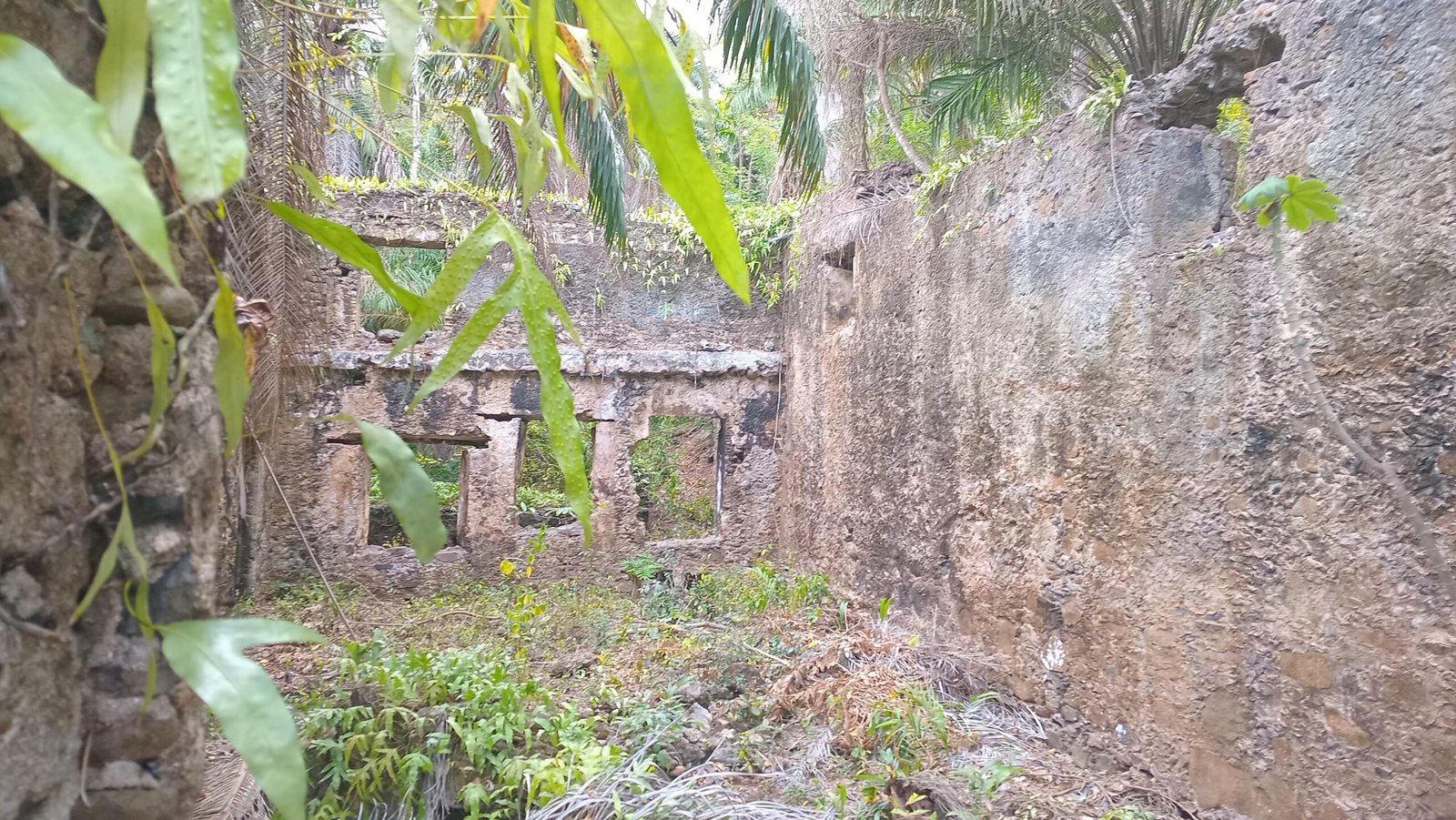
One of the advantages of visiting Praia Melão with a local guide is that the landscape can be interpreted in its historical context. What may initially appear to be ruins, vegetation or old structures can reveal important information about how agricultural production was organized in the past.
This is particularly valuable for travelers who want to understand São Tomé beyond the conventional tourist attractions.
The Historical Importance of Praia Melão
The history of Praia Melão is associated with the development of agricultural production on São Tomé Island.
São Tomé became an important agricultural territory during the Portuguese colonial period. Sugar was one of the earliest major commercial crops introduced to the island, and the development of sugar plantations had a profound impact on its economy, population and landscape.
Large agricultural estates, known locally as roças, became an important characteristic of São Tomé. These plantation complexes included agricultural areas, processing facilities, houses, warehouses, roads and other structures required for production.
Praia Melão is connected with this broader historical landscape.
The remains associated with former sugar production are important because they help visitors visualize an economic system that played a major role in the development of the island.
Although much of the original infrastructure has changed or disappeared over time, archaeological remains and the surrounding landscape can still provide clues about the past.
Praia Melão and the History of Sugar Production
Sugar was one of the first crops to become economically important in São Tomé.
During the early period of Portuguese settlement, the island’s tropical climate and fertile volcanic soils offered favorable conditions for sugarcane cultivation. The development of sugar plantations transformed parts of the island into intensive agricultural zones.
Sugar production required much more than planting sugarcane.
The process involved cultivating and harvesting the cane, transporting it to processing facilities, extracting juice, concentrating it through heating and producing sugar and related products.
This required specialized infrastructure and considerable organization.
The remains associated with historical sugar production therefore have archaeological importance. They can help researchers and visitors understand the technology, labor organization and economic structures used during different periods of São Tomé’s history.
For this reason, a Praia Melão tour in São Tomé can be especially interesting for people who enjoy cultural tourism and historical interpretation.
What Can Visitors Discover at Praia Melão?
A visit to Praia Melão is an opportunity to observe the relationship between the natural environment and São Tomé’s historical agricultural landscape.
Depending on the condition and accessibility of individual remains, visitors may encounter traces of former structures, old plantation areas and archaeological evidence associated with historical agricultural activities.
The surrounding vegetation is also an important part of the experience.
São Tomé’s tropical climate means that abandoned or partially abandoned historical areas can gradually become surrounded by vegetation. Trees, plants and roots may grow around old structures, creating a distinctive atmosphere in which nature and history coexist.
This combination makes Praia Melão particularly attractive for travelers interested in São Tomé cultural heritage.
Rather than visiting a conventional museum, travelers can experience history directly within the landscape.
Archaeological Heritage of Praia Melão
The archaeological dimension of Praia Melão deserves particular attention.
Archaeology is not limited to famous monuments or spectacular ruins. Small structural remains, foundations, fragments of industrial installations and the layout of historical agricultural spaces can all contribute to our understanding of the past.
At Praia Melão, the historical landscape can be interpreted as part of the wider evolution of São Tomé’s plantation economy.
The remains associated with agricultural and industrial activities can help explain how production was organized and how plantations interacted with settlements, transportation routes and the surrounding environment.
For visitors, this makes a guided tour especially valuable.
A professional local guide can explain what travelers are seeing, distinguish historical structures from later modifications and provide information about the broader context of the site.
Understanding São Tomé Through Its Plantation Heritage
To understand São Tomé today, it is important to understand its plantation history.
The island’s economy was shaped by different agricultural cycles. Sugar was particularly important during the early colonial period, while coffee and cocoa later became central to the plantation economy.
The famous roças of São Tomé and Príncipe became large and complex agricultural systems.
Many included administrative buildings, workers’ housing, hospitals, churches, warehouses, agricultural facilities and processing installations.
Some plantation complexes have survived relatively well, while others are now partially ruined or integrated into modern communities.
Praia Melão contributes to this wider historical story.
Visiting the site allows travelers to look beyond São Tomé’s beaches and discover the economic and cultural forces that shaped the island.
Why Visit Praia Melão With a Local Guide?
Exploring historical sites without interpretation can sometimes be difficult.
An old wall may simply look like an old wall. A foundation may appear to be little more than stones covered by vegetation. However, when a guide explains its possible function and historical context, the same structure can become part of a much larger story.
A local guide can help visitors understand:
– The history of sugar production in São Tomé
– The development of plantation agriculture
– The importance of the roça system
– Traditional agricultural practices
– The relationship between plantations and local communities
– Historical architecture and industrial remains
– The cultural transformation of São Tomé
– The importance of preserving historical heritage
This makes a guided Praia Melão tour particularly suitable for travelers interested in history, culture, photography and educational experiences.
Praia Melão for Cultural Tourism
Cultural tourism is becoming increasingly important for travelers looking for authentic experiences.
Many visitors to São Tomé arrive because of the country’s tropical beaches, biodiversity and beautiful landscapes. However, the island also offers a deep cultural and historical experience.
Praia Melão provides an opportunity to combine nature with history.
Visitors can explore the landscape, learn about the island’s agricultural past and understand how historical economic activities influenced local communities.
This type of experience is different from a standard sightseeing tour.
It encourages travelers to slow down, observe the environment and listen to the stories connected with the place.
A Different Experience From São Tomé’s Beaches
São Tomé is internationally appreciated for its beaches and tropical landscapes.
Places such as Praia Jalé, Praia Inhame and other coastal destinations offer opportunities for swimming, relaxation and nature experiences.
Praia Melão offers something different.
Instead of focusing primarily on the sea, the experience is centered on history, agriculture, archaeology and cultural heritage.
For travelers staying several days on São Tomé Island, combining a historical visit with beach excursions can create a more complete itinerary.
A day can include cultural attractions in the morning, a plantation or historical site during the afternoon and a coastal destination later in the day.
Photography at Praia Melão
Historical sites surrounded by tropical vegetation can provide excellent opportunities for photography.
The contrast between old structures and the green environment creates a distinctive visual atmosphere.
Travelers interested in documentary photography may also find the site interesting because it illustrates the relationship between human activity and the tropical environment.
However, visitors should photograph respectfully and avoid climbing unstable structures or removing archaeological objects.
Historical remains are part of the cultural heritage of São Tomé and should be preserved for future generations.
Responsible Tourism at Historical Sites
Responsible tourism is particularly important when visiting archaeological and historical locations.
Visitors should avoid damaging walls, moving stones, collecting fragments or entering unsafe structures.
It is also important to respect local communities living around historical areas.
Traveling with a local tourism company can help visitors understand appropriate behavior and support the local economy.
Responsible tourism also means recognizing that historical sites may contain difficult aspects of the past.
The history of plantation agriculture in São Tomé includes subjects such as forced labor, colonial exploitation and social inequality. These subjects should be approached with respect and historical context rather than treated simply as tourist attractions.
A responsible guided tour can acknowledge the complexity of this history while helping visitors understand how São Tomé developed into the country it is today.
How to Include Praia Melão in a São Tomé Tour
Praia Melão can be incorporated into a wider cultural and historical itinerary.
For example, a private tour can combine Praia Melão with other attractions related to São Tomé’s plantation history, colonial heritage, local communities and natural landscapes.
A customized itinerary may include:
São Tomé City – Discover the capital, historic buildings, markets and local culture.
Praia Melão – Explore the historical landscape and remains associated with sugar production.
Plantation heritage – Learn about the development of the roças and the agricultural economy.
Local villages – Experience contemporary life and interact respectfully with local communities.
Nature attractions – Combine cultural tourism with São Tomé’s forests, waterfalls and viewpoints.
Coastal areas – Finish the day at one of the island’s beautiful beaches.
The exact itinerary can be adapted according to the interests, available time and mobility of each traveler.
Praia Melão as an Educational Experience
Praia Melão can also be valuable for students, researchers and travelers with a particular interest in African history and colonial heritage.
The site offers an opportunity to connect historical information with physical evidence in the landscape.
Instead of learning only through books or photographs, visitors can observe the environment in which historical economic activities took place.
This creates a more tangible understanding of São Tomé’s past.
For schools, universities, cultural organizations and specialized travel groups, historical tours can be organized around themes such as plantation archaeology, colonial history, agricultural development and cultural heritage.
Best Way to Experience Praia Melão
For a first-time visitor, a private guided tour of Praia Melão can provide a more informative experience than simply visiting the location independently.
A private tour allows the itinerary to be adapted to the traveler’s interests and schedule.
Visitors can ask questions, stop for photographs and spend more time at places that interest them.
For international travelers, having a guide who speaks English or another international language can also make historical explanations easier to understand.
Local knowledge is especially valuable because São Tomé’s history is deeply connected to its landscape, communities and oral traditions.
Discover Praia Melão With Voltours
For travelers looking for an authentic cultural experience in São Tomé, Voltours can organize private and guided excursions that include historical and cultural attractions such as Praia Melão.
The objective is to provide visitors with more than transportation from one location to another. A well-organized tour should help travelers understand the places they visit.
A Praia Melão experience can be adapted for couples, families, private travelers, small groups, photographers, cultural tourists and travelers interested in the history of São Tomé and Príncipe.
Depending on the itinerary, the experience can include transportation, a professional local guide and visits to additional attractions.
Travelers can contact Voltours before arrival to discuss their interests and create an itinerary according to their available time.
Why Praia Melão Deserves a Place on Your São Tomé Itinerary
Praia Melão represents an important part of São Tomé’s historical landscape.
The destination provides an opportunity to explore the island’s agricultural past, understand the importance of sugar production and observe the remains of a historical economic system.
For travelers interested in history, archaeology, cultural tourism and authentic experiences in São Tomé, Praia Melão offers a different perspective on the island.
The experience becomes even more meaningful when combined with the stories of the plantations, the evolution of agriculture and the people who shaped São Tomé’s history.
São Tomé is not only a destination of beaches and tropical forests. It is also an island of historical memory.
From old plantations to archaeological remains, from colonial architecture to local communities, every part of the island can reveal another chapter of its story.
Praia Melão São Tomé is one of those places where history and nature meet.
If you want to discover this lesser-known side of São Tomé and Príncipe, consider adding Praia Melão to your itinerary and exploring it with a knowledgeable local guide.
Book your private Praia Melão tour with Voltours and discover the historical and cultural heritage of São Tomé through a local perspective.
Praia Melão São Tomé is a fascinating destination for travelers who want to discover a different side of São Tomé and Príncipe. Beyond its tropical beaches, lush forests and spectacular landscapes, São Tomé Island has a remarkable historical heritage connected to agriculture, colonial architecture, plantations and the development of the sugar and cocoa economies.
Located on São Tomé Island, Praia Melão is particularly interesting because of its historical association with the island’s former sugar production. Today, the remains and landscape connected with this period provide an opportunity to understand an important chapter in the history of São Tomé and Príncipe.
A visit to Praia Melão can therefore become much more than a simple excursion. It can be a cultural and historical journey through the transformation of São Tomé Island, from its early agricultural development to the plantation economy that later shaped much of the country’s identity.
For visitors interested in historical tourism in São Tomé, archaeological sites in São Tomé, plantations, colonial heritage and authentic local experiences, Praia Melão offers an unusual and meaningful destination to explore.
Where Is Praia Melão in São Tomé?
Praia Melão is located on São Tomé Island, in the Democratic Republic of São Tomé and Príncipe. The area can be visited as part of a cultural or historical tour departing from São Tomé city.
Its location makes it possible to combine the visit with other attractions and historical places on the island. Depending on the itinerary, travelers can explore plantations, old agricultural facilities, villages, beaches, viewpoints and other locations connected with São Tomé’s history.
One of the advantages of visiting Praia Melão with a local guide is that the landscape can be interpreted in its historical context. What may initially appear to be ruins, vegetation or old structures can reveal important information about how agricultural production was organized in the past.
This is particularly valuable for travelers who want to understand São Tomé beyond the conventional tourist attractions.
The Historical Importance of Praia Melão
The history of Praia Melão is associated with the development of agricultural production on São Tomé Island.
São Tomé became an important agricultural territory during the Portuguese colonial period. Sugar was one of the earliest major commercial crops introduced to the island, and the development of sugar plantations had a profound impact on its economy, population and landscape.
Large agricultural estates, known locally as roças, became an important characteristic of São Tomé. These plantation complexes included agricultural areas, processing facilities, houses, warehouses, roads and other structures required for production.
Praia Melão is connected with this broader historical landscape.
The remains associated with former sugar production are important because they help visitors visualize an economic system that played a major role in the development of the island.
Although much of the original infrastructure has changed or disappeared over time, archaeological remains and the surrounding landscape can still provide clues about the past.
Praia Melão and the History of Sugar Production
Sugar was one of the first crops to become economically important in São Tomé.
During the early period of Portuguese settlement, the island’s tropical climate and fertile volcanic soils offered favorable conditions for sugarcane cultivation. The development of sugar plantations transformed parts of the island into intensive agricultural zones.
Sugar production required much more than planting sugarcane.
The process involved cultivating and harvesting the cane, transporting it to processing facilities, extracting juice, concentrating it through heating and producing sugar and related products.
This required specialized infrastructure and considerable organization.
The remains associated with historical sugar production therefore have archaeological importance. They can help researchers and visitors understand the technology, labor organization and economic structures used during different periods of São Tomé’s history.
For this reason, a Praia Melão tour in São Tomé can be especially interesting for people who enjoy cultural tourism and historical interpretation.
What Can Visitors Discover at Praia Melão?
A visit to Praia Melão is an opportunity to observe the relationship between the natural environment and São Tomé’s historical agricultural landscape.
Depending on the condition and accessibility of individual remains, visitors may encounter traces of former structures, old plantation areas and archaeological evidence associated with historical agricultural activities.
The surrounding vegetation is also an important part of the experience.
São Tomé’s tropical climate means that abandoned or partially abandoned historical areas can gradually become surrounded by vegetation. Trees, plants and roots may grow around old structures, creating a distinctive atmosphere in which nature and history coexist.
This combination makes Praia Melão particularly attractive for travelers interested in São Tomé cultural heritage.
Rather than visiting a conventional museum, travelers can experience history directly within the landscape.
Archaeological Heritage of Praia Melão
The archaeological dimension of Praia Melão deserves particular attention.
Archaeology is not limited to famous monuments or spectacular ruins. Small structural remains, foundations, fragments of industrial installations and the layout of historical agricultural spaces can all contribute to our understanding of the past.
At Praia Melão, the historical landscape can be interpreted as part of the wider evolution of São Tomé’s plantation economy.
The remains associated with agricultural and industrial activities can help explain how production was organized and how plantations interacted with settlements, transportation routes and the surrounding environment.
For visitors, this makes a guided tour especially valuable.
A professional local guide can explain what travelers are seeing, distinguish historical structures from later modifications and provide information about the broader context of the site.
Understanding São Tomé Through Its Plantation Heritage
To understand São Tomé today, it is important to understand its plantation history.
The island’s economy was shaped by different agricultural cycles. Sugar was particularly important during the early colonial period, while coffee and cocoa later became central to the plantation economy.
The famous roças of São Tomé and Príncipe became large and complex agricultural systems.
Many included administrative buildings, workers’ housing, hospitals, churches, warehouses, agricultural facilities and processing installations.
Some plantation complexes have survived relatively well, while others are now partially ruined or integrated into modern communities.
Praia Melão contributes to this wider historical story.
Visiting the site allows travelers to look beyond São Tomé’s beaches and discover the economic and cultural forces that shaped the island.
Why Visit Praia Melão With a Local Guide?
Exploring historical sites without interpretation can sometimes be difficult.
An old wall may simply look like an old wall. A foundation may appear to be little more than stones covered by vegetation. However, when a guide explains its possible function and historical context, the same structure can become part of a much larger story.
A local guide can help visitors understand:
– The history of sugar production in São Tomé
– The development of plantation agriculture
– The importance of the roça system
– Traditional agricultural practices
– The relationship between plantations and local communities
– Historical architecture and industrial remains
– The cultural transformation of São Tomé
– The importance of preserving historical heritage
This makes a guided Praia Melão tour particularly suitable for travelers interested in history, culture, photography and educational experiences.
Praia Melão for Cultural Tourism
Cultural tourism is becoming increasingly important for travelers looking for authentic experiences.
Many visitors to São Tomé arrive because of the country’s tropical beaches, biodiversity and beautiful landscapes. However, the island also offers a deep cultural and historical experience.
Praia Melão provides an opportunity to combine nature with history.
Visitors can explore the landscape, learn about the island’s agricultural past and understand how historical economic activities influenced local communities.
This type of experience is different from a standard sightseeing tour.
It encourages travelers to slow down, observe the environment and listen to the stories connected with the place.
A Different Experience From São Tomé’s Beaches
São Tomé is internationally appreciated for its beaches and tropical landscapes.
Places such as Praia Jalé, Praia Inhame and other coastal destinations offer opportunities for swimming, relaxation and nature experiences.
Praia Melão offers something different.
Instead of focusing primarily on the sea, the experience is centered on history, agriculture, archaeology and cultural heritage.
For travelers staying several days on São Tomé Island, combining a historical visit with beach excursions can create a more complete itinerary.
A day can include cultural attractions in the morning, a plantation or historical site during the afternoon and a coastal destination later in the day.
Photography at Praia Melão
Historical sites surrounded by tropical vegetation can provide excellent opportunities for photography.
The contrast between old structures and the green environment creates a distinctive visual atmosphere.
Travelers interested in documentary photography may also find the site interesting because it illustrates the relationship between human activity and the tropical environment.
However, visitors should photograph respectfully and avoid climbing unstable structures or removing archaeological objects.
Historical remains are part of the cultural heritage of São Tomé and should be preserved for future generations.
Responsible Tourism at Historical Sites
Responsible tourism is particularly important when visiting archaeological and historical locations.
Visitors should avoid damaging walls, moving stones, collecting fragments or entering unsafe structures.
It is also important to respect local communities living around historical areas.
Traveling with a local tourism company can help visitors understand appropriate behavior and support the local economy.
Responsible tourism also means recognizing that historical sites may contain difficult aspects of the past.
The history of plantation agriculture in São Tomé includes subjects such as forced labor, colonial exploitation and social inequality. These subjects should be approached with respect and historical context rather than treated simply as tourist attractions.
A responsible guided tour can acknowledge the complexity of this history while helping visitors understand how São Tomé developed into the country it is today.
How to Include Praia Melão in a São Tomé Tour
Praia Melão can be incorporated into a wider cultural and historical itinerary.
For example, a private tour can combine Praia Melão with other attractions related to São Tomé’s plantation history, colonial heritage, local communities and natural landscapes.
A customized itinerary may include:
São Tomé City – Discover the capital, historic buildings, markets and local culture.
Praia Melão – Explore the historical landscape and remains associated with sugar production.
Plantation heritage – Learn about the development of the roças and the agricultural economy.
Local villages – Experience contemporary life and interact respectfully with local communities.
Nature attractions – Combine cultural tourism with São Tomé’s forests, waterfalls and viewpoints.
Coastal areas – Finish the day at one of the island’s beautiful beaches.
The exact itinerary can be adapted according to the interests, available time and mobility of each traveler.
Praia Melão as an Educational Experience
Praia Melão can also be valuable for students, researchers and travelers with a particular interest in African history and colonial heritage.
The site offers an opportunity to connect historical information with physical evidence in the landscape.
Instead of learning only through books or photographs, visitors can observe the environment in which historical economic activities took place.
This creates a more tangible understanding of São Tomé’s past.
For schools, universities, cultural organizations and specialized travel groups, historical tours can be organized around themes such as plantation archaeology, colonial history, agricultural development and cultural heritage.
Best Way to Experience Praia Melão
For a first-time visitor, a private guided tour of Praia Melão can provide a more informative experience than simply visiting the location independently.
A private tour allows the itinerary to be adapted to the traveler’s interests and schedule.
Visitors can ask questions, stop for photographs and spend more time at places that interest them.
For international travelers, having a guide who speaks English or another international language can also make historical explanations easier to understand.
Local knowledge is especially valuable because São Tomé’s history is deeply connected to its landscape, communities and oral traditions.
Discover Praia Melão With Voltours
For travelers looking for an authentic cultural experience in São Tomé, Voltours can organize private and guided excursions that include historical and cultural attractions such as Praia Melão.
The objective is to provide visitors with more than transportation from one location to another. A well-organized tour should help travelers understand the places they visit.
A Praia Melão experience can be adapted for couples, families, private travelers, small groups, photographers, cultural tourists and travelers interested in the history of São Tomé and Príncipe.
Depending on the itinerary, the experience can include transportation, a professional local guide and visits to additional attractions.
Travelers can contact Voltours before arrival to discuss their interests and create an itinerary according to their available time.
Why Praia Melão Deserves a Place on Your São Tomé Itinerary
Praia Melão represents an important part of São Tomé’s historical landscape.
The destination provides an opportunity to explore the island’s agricultural past, understand the importance of sugar production and observe the remains of a historical economic system.
For travelers interested in history, archaeology, cultural tourism and authentic experiences in São Tomé, Praia Melão offers a different perspective on the island.
The experience becomes even more meaningful when combined with the stories of the plantations, the evolution of agriculture and the people who shaped São Tomé’s history.
São Tomé is not only a destination of beaches and tropical forests. It is also an island of historical memory.
From old plantations to archaeological remains, from colonial architecture to local communities, every part of the island can reveal another chapter of its story.
Praia Melão São Tomé is one of those places where history and nature meet.
If you want to discover this lesser-known side of São Tomé and Príncipe, consider adding Praia Melão to your itinerary and exploring it with a knowledgeable local guide.
Book your private Praia Melão tour with Voltours and discover the historical and cultural heritage of São Tomé through a local perspective.
