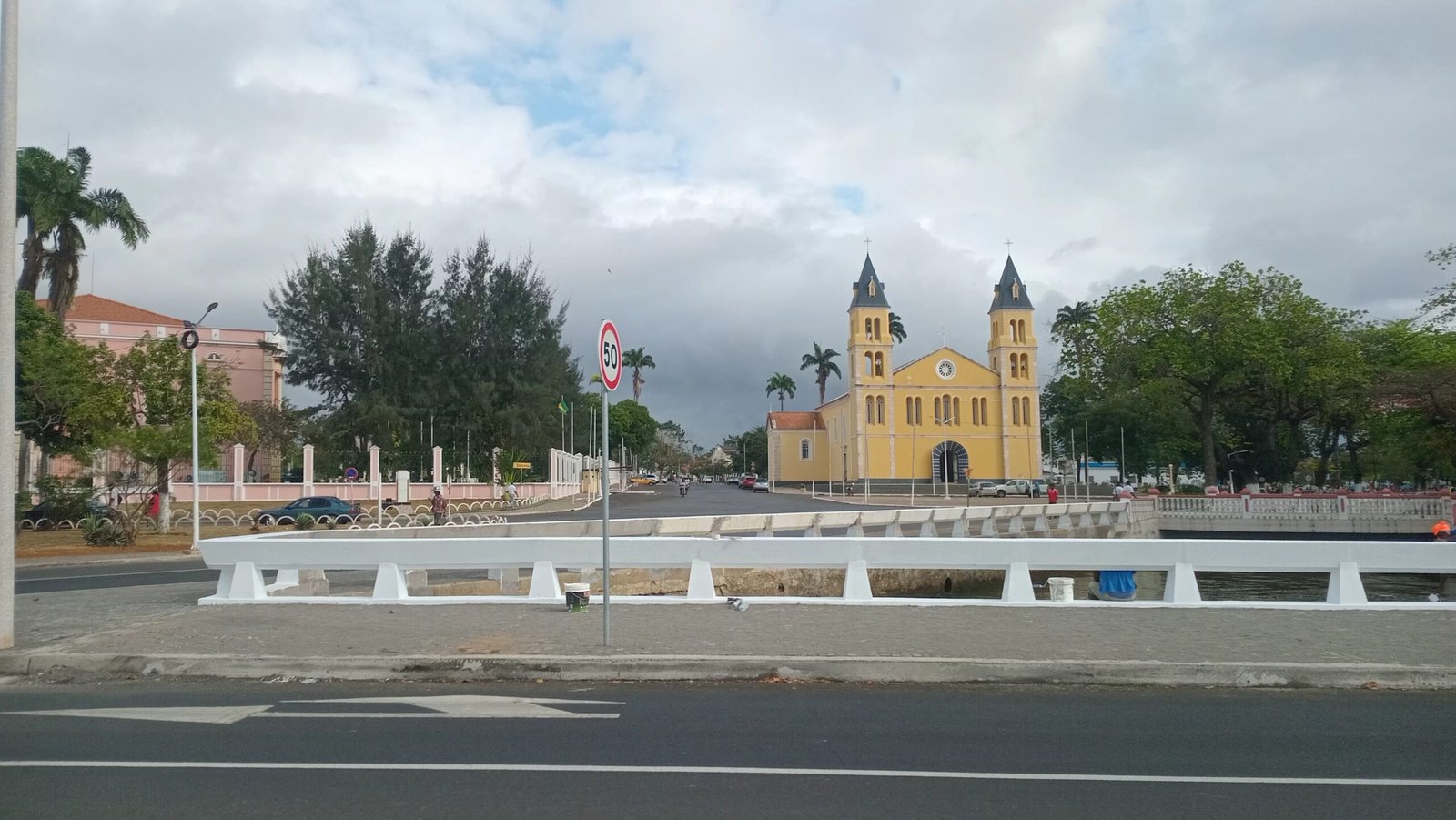
São Tomé and Príncipe is a destination where tropical landscapes, African culture, Portuguese heritage and centuries of history come together. Beyond its beautiful beaches, volcanic mountains and lush rainforests, the islands offer a fascinating heritage waiting to be discovered.
São Tomé Heritage Tours provide travelers with an opportunity to explore the historical and cultural side of the country through old plantations, colonial buildings, churches, traditional communities, archaeological sites, local food and stories passed down through generations.
For visitors who want to experience more than a conventional holiday, a heritage tour in São Tomé offers a deeper connection with the destination. Instead of simply seeing beautiful places, travelers can learn how São Tomé and Príncipe developed, how plantation society shaped the islands, how African and European influences interacted, and how local communities continue to preserve their traditions.
Discover the Heritage of São Tomé and Príncipe
São Tomé and Príncipe has a distinctive historical identity shaped by its location in the Gulf of Guinea. The islands were uninhabited before Portuguese exploration and settlement in the late fifteenth century. São Tomé subsequently became an important center of plantation agriculture and maritime activity.
Over the centuries, sugar and later cocoa and coffee became central to the economic development of the islands. The plantation system created a landscape filled with roças, agricultural estates that became one of the most recognizable elements of São Tomé’s cultural heritage.
Today, many of these historic properties remain scattered across the island. Some have been restored and adapted for tourism, while others survive as atmospheric ruins surrounded by tropical vegetation.
Exploring these places with a local guide allows visitors to understand the connection between the landscape and the people who lived and worked there.
Heritage Tours Beyond the Beaches
São Tomé is often promoted for its beaches, turquoise waters and tropical scenery. These attractions are important, but the island’s heritage offers another dimension to the visitor experience.
A heritage tour can combine:
– Historic plantations and roças
– Colonial architecture
– Churches and religious heritage
– Archaeological locations
– Former sugar estates
– Cocoa and coffee plantations
– Local communities
– Traditional food and customs
– Museums and historical collections
– Portuguese and African cultural influences
– Stories connected to the island’s past
This combination makes heritage tourism an excellent choice for travelers interested in history, photography, architecture, anthropology, archaeology and cultural experiences.
Explore the Historic Roças of São Tomé
One of the most important elements of São Tomé’s heritage is the roça.
A roça was much more than a plantation. Many large estates operated almost like small communities, with agricultural areas, workers’ accommodation, administrative buildings, hospitals, schools, churches, warehouses and railway systems.
Some estates became important centers of cocoa and coffee production.
Walking through a historic roça today can reveal traces of this complex past. Buildings, railway lines, walls, warehouses and old machinery can provide clues about how plantation life was organized.
For visitors interested in architecture and history, these locations offer remarkable photographic opportunities.
A heritage guide can explain the function of different buildings and place them within the broader history of São Tomé.
São Tomé City Heritage Tour
The capital city is an ideal starting point for discovering the country’s cultural heritage.
A São Tomé City Heritage Tour can introduce travelers to historic streets, churches, colonial-era buildings, markets and important public spaces.
The city reflects several layers of history. Portuguese architectural influences can be seen alongside African cultural traditions and modern São Toméan life.
Walking through the historic center provides an opportunity to observe details that can easily be missed when traveling by vehicle.
Old façades, balconies, churches, squares and streets tell part of the story of the capital.
The experience becomes even richer when accompanied by a local guide who can explain the historical background of important locations.
São Tomé Churches and Religious Heritage
Religious buildings form another important part of the country’s heritage.
Churches and chapels can be found in São Tomé City and throughout the island. Some have historical connections extending back several centuries.
The Cathedral of São Tomé, located in the capital, is one of the most recognizable religious landmarks in the country.
Religious heritage also reflects the interaction between European Christianity and African society.
During a heritage tour, visitors can learn about the role that churches played in communities and how religious traditions developed over time.
Archaeological Heritage in São Tomé
São Tomé also has an important archaeological dimension.
Old plantation sites, industrial remains, abandoned structures, foundations, roads, railway traces and other physical evidence can help researchers and visitors understand the historical development of the islands.
Places such as the former Praia Melão sugar estate are particularly interesting for travelers interested in industrial and archaeological heritage.
The remains of old sugar-production infrastructure provide an opportunity to discuss the early plantation economy and the transformation of São Tomé’s landscape.
An archaeological heritage tour does not simply focus on ruins. It helps visitors understand what these remains reveal about technology, agriculture, trade, settlement and everyday life.
Praia Melão Heritage Experience
A visit to Praia Melão can be incorporated into a cultural and archaeological itinerary.
The site is associated with the historical development of sugar production in São Tomé. Although much of the original industrial landscape has changed over time, surviving traces can help visitors imagine the scale and organization of plantation activity.
For travelers interested in São Tomé archaeology tours, Praia Melão provides an opportunity to connect physical remains with historical narratives.
A local guide can explain the significance of the location, the role of sugar production and the transition of the plantation economy toward other agricultural products.
Combining Praia Melão with other historic sites creates a broader understanding of São Tomé’s heritage.
Cocoa Heritage and the Birth of the “Chocolate Islands”
São Tomé and Príncipe became internationally important for cocoa production during the nineteenth and twentieth centuries.
The fertile volcanic soils and tropical climate created favorable conditions for cocoa cultivation.
Large plantations expanded across São Tomé, transforming the agricultural landscape and contributing to the country’s reputation as one of the world’s important cocoa-producing regions.
Today, cocoa remains an important part of the country’s identity.
A heritage tour can include a visit to a cocoa plantation where travelers learn about cultivation, harvesting, fermentation and drying.
This is more than an agricultural experience. Cocoa tourism connects the modern visitor with the economic and social history of the islands.
Coffee Heritage in São Tomé
Coffee is another important part of São Tomé’s agricultural heritage.
Plantations in the interior of the island benefited from the tropical climate and fertile volcanic soils.
Visitors can explore traditional plantation landscapes and learn about coffee cultivation while experiencing the natural environment surrounding the historic estates.
Combining coffee, cocoa and heritage tourism provides a different perspective on São Tomé.
Instead of seeing agriculture simply as an economic activity, visitors can understand how crops influenced settlement patterns, transportation networks, architecture and international trade.
Culture and Local Communities
Heritage is not limited to buildings and archaeological remains.
The living culture of São Tomé and Príncipe is equally important.
Music, dance, cuisine, language, festivals, traditional knowledge and community life form part of the country’s intangible heritage.
A good heritage tour should therefore create opportunities for visitors to meet local people and experience everyday São Toméan culture respectfully.
Traditional dishes can also become part of the experience.
Fresh fish, seafood, tropical fruits, bananas, breadfruit, cassava, cocoa and locally grown vegetables are part of the country’s culinary identity.
Food provides another way of understanding the relationship between people, agriculture and the natural environment.
São Tomé Heritage and African Identity
Although Portuguese influence is visible throughout the country’s historical architecture, São Tomé and Príncipe is fundamentally shaped by African culture and the experiences of its people.
The history of the islands includes forced migration, plantation labor, resistance, cultural adaptation and the development of distinct Creole communities.
These historical experiences continue to influence São Toméan identity.
Heritage tourism can provide a space for visitors to learn about this complex history in a respectful and balanced way.
Understanding the past helps travelers appreciate the cultural richness of modern São Tomé.
Heritage and Nature: A Unique Combination
One of the most remarkable characteristics of São Tomé is the proximity between historical sites and nature.
A visitor can explore a historic plantation in the morning and continue into rainforest, mountains or coastal landscapes in the afternoon.
This makes it possible to design combined heritage and nature tours in São Tomé.
For example, an itinerary can include:
São Tomé City → Historic Roça → Cocoa Plantation → Waterfall → Local Lunch
or:
Praia Melão → Archaeological Heritage → Plantation Landscape → Coastal Village
These combinations allow visitors to experience several dimensions of the island during a single journey.
Why Choose a Private Heritage Tour?
Private tours offer greater flexibility than standard group excursions.
Travelers can choose the sites they are most interested in and adjust the pace of the experience.
Photography enthusiasts may want additional time at historic buildings. History enthusiasts may prefer longer explanations at archaeological locations. Families may want a combination of culture, nature and local food.
A private heritage tour can be adapted according to these preferences.
Travelers can also combine heritage experiences with other activities, including beaches, hiking, birdwatching, cocoa experiences and city sightseeing.
What to Expect from a São Tomé Heritage Tour
Depending on the itinerary, a heritage tour may include:
– Professional local guiding
– Transportation
– Visits to historic sites
– Plantation and roça experiences
– Archaeological locations
– Cultural explanations
– Local communities
– Photography opportunities
– Cocoa or coffee experiences
– Traditional food experiences
– Historical storytelling
The exact itinerary can be adapted according to the duration of the visit and the interests of the travelers.
Half-day, full-day and multi-day heritage itineraries can all be developed.
Best Time for Heritage Tours in São Tomé
São Tomé can be visited throughout the year.
Because the island has a tropical climate, travelers should be prepared for changing weather conditions, particularly when visiting inland areas.
Comfortable clothing, suitable walking shoes, sun protection, insect repellent and drinking water are recommended.
For outdoor heritage locations, visitors should also be prepared for muddy or uneven surfaces depending on the weather.
The reward is the opportunity to explore historic places surrounded by extraordinary tropical landscapes.
Responsible Heritage Tourism
Visiting historical sites requires respect for both the places and the communities connected to them.
Travelers should avoid damaging structures, removing archaeological objects or entering restricted areas.
Photography should also be respectful, particularly when photographing local residents.
Choosing local guides and tourism operators can help ensure that tourism contributes directly to the local economy.
Responsible tourism also helps preserve São Tomé’s cultural heritage for future generations.
Plan Your São Tomé Heritage Tour
A journey to São Tomé and Príncipe can be much more than a beach holiday.
Through heritage tourism, travelers can discover the stories behind the island’s historic buildings, plantations, archaeological remains, churches, agricultural landscapes and communities.
A São Tomé Heritage Tour offers the opportunity to travel through different periods of the country’s history while experiencing the natural beauty that surrounds these locations.
Whether you are interested in archaeology, colonial architecture, cocoa, coffee, plantation history, local culture or photography, São Tomé offers a wide range of experiences.
The most memorable journeys are often those that allow travelers to understand a destination rather than simply see it.
Discover the heritage of São Tomé and Príncipe with a local guide, explore historic roças and archaeological sites, meet local communities, learn the stories behind the plantations and experience the cultural identity of one of Africa’s most fascinating island destinations.
Book Your São Tomé Heritage Tour
Ready to discover the historical and cultural side of São Tomé?
Contact Voltours to plan your private heritage tour in São Tomé and Príncipe.
From São Tomé City heritage walks and historic roças to archaeological sites, cocoa plantations, coffee estates and cultural experiences, your itinerary can be organized according to your interests, schedule and travel style.
São Tomé Heritage Tours — Discover the history. Experience the culture. Explore the island.
São Tomé Heritage Tours: Discover the History, Culture and Hidden Stories of São Tomé and Príncipe