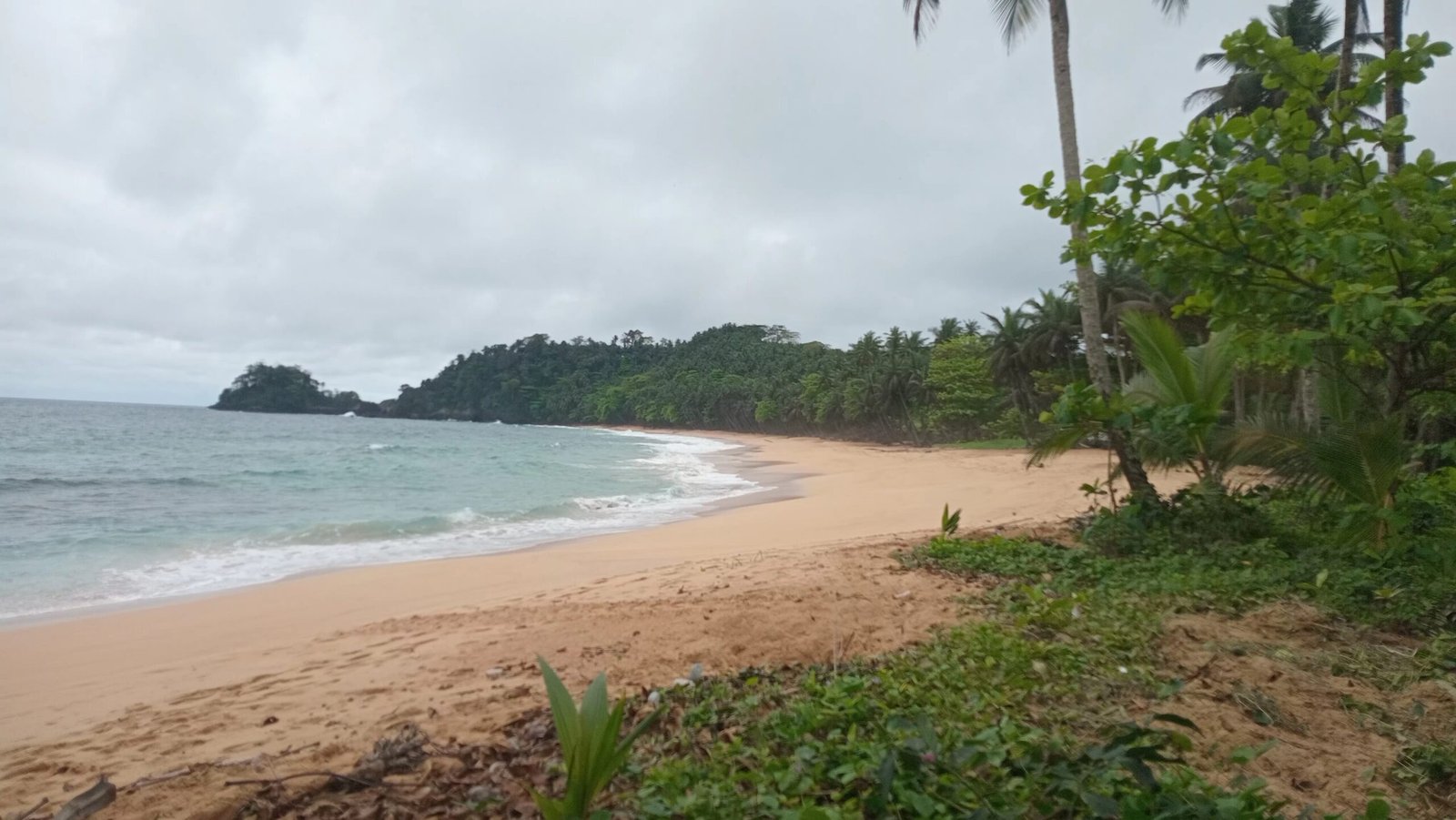
Historic Sites in São Tomé
São Tomé is a destination where tropical landscapes, African culture, Portuguese heritage and centuries of history come together. Beyond its beaches, rainforests and volcanic scenery, the island offers an impressive collection of historic sites that tell the story of its people, plantations, colonial architecture, religious traditions and connections with the wider Atlantic world.
For travelers interested in history and culture, exploring the historic sites in São Tomé is an opportunity to discover a different side of the island. From the historic center of São Tomé city to former plantation estates, churches, old railway structures and archaeological remains, every location provides a piece of the story of São Tomé and Príncipe.
A historical tour of São Tomé can be combined with cultural experiences, local gastronomy, nature excursions and visits to traditional communities. With a knowledgeable local guide, visitors can better understand not only what they see, but also the historical context behind the buildings, landscapes and communities.
1. São Tomé City Historic Center
The best place to begin exploring the history of the island is the historic center of São Tomé city. Located along the Gulf of Guinea, the capital preserves important examples of Portuguese-influenced architecture and buildings connected with the political, religious and commercial development of the islands.
Walking through the city allows visitors to observe historic streets, colonial-era buildings, churches, public institutions and traditional urban spaces. The architecture reflects several periods of São Tomé’s history and demonstrates how the city developed as an important center of trade and administration.
A walking tour through the historic center is particularly interesting because many important landmarks are located relatively close to one another. Visitors can explore the city at a relaxed pace while learning about local traditions and historical events.
2. São Sebastião Fortress
One of the most recognizable historic monuments in São Tomé is São Sebastião Fortress, located near the waterfront of the capital.
The fortress was constructed during the Portuguese colonial period as part of the defensive system of the island. Its location was strategically important because the coastal position provided an opportunity to monitor maritime approaches to the city.
Today, the fortress is one of the most important heritage attractions in São Tomé. Its walls, architectural features and position beside the ocean provide visitors with an opportunity to understand the strategic importance of the island during the colonial era.
The site is also associated with the National Museum, making it possible to combine the visit with an exploration of objects and information related to the history and culture of São Tomé and Príncipe.
3. São Tomé Cathedral
The Cathedral of São Tomé, located in the center of the capital, is another important historic landmark.
Religious institutions played a major role in the development of São Tomé from the early Portuguese period onward. The cathedral is therefore not only a religious building but also part of the broader historical landscape of the city.
Visitors interested in architecture can observe the building’s traditional features and its relationship with the surrounding historic center. The cathedral also provides an opportunity to learn about the role of Christianity and Catholic traditions in São Tomé and Príncipe.
A visit to the cathedral can easily be included in a walking tour of the capital together with the fortress, National Museum and other historic buildings.
4. National Museum of São Tomé and Príncipe
For travelers who want a deeper understanding of the country’s history, the National Museum of São Tomé and Príncipe is an important stop.
Located within São Sebastião Fortress, the museum preserves and presents objects associated with the cultural and historical development of the islands.
Museum visits are particularly valuable before or after exploring the historic plantations and rural areas because they provide context for understanding the different stages of São Tomé’s history.
Visitors can learn about traditional life, colonial history, plantation society, religious culture and aspects of the country’s social development.
5. Roça Agostinho Neto
São Tomé’s history cannot be understood without exploring its roças, the large plantation estates that played a central role in the island’s economy.
One of the best-known plantation sites is Roça Agostinho Neto, formerly known as Roça Rio do Ouro.
The plantation was historically associated with agricultural production and the development of the plantation system. Its large buildings, old structures and surrounding landscape provide an impressive insight into the scale of plantation operations.
Today, visiting the roça allows travelers to see architectural remains while also learning about the people who lived and worked within the plantation system.
A guided visit is recommended because the historical significance of the buildings and spaces is much easier to understand when explained within the wider history of São Tomé.
6. Roça São João dos Angolares
Located in the southern part of the island, Roça São João dos Angolares is another important cultural and historical destination.
The former plantation estate has become associated with tourism, gastronomy and cultural experiences. Its location provides visitors with an opportunity to combine plantation history with the natural beauty of southern São Tomé.
The area is especially interesting for travelers who want to experience São Tomé beyond the capital. The surrounding landscape, local communities and plantation heritage create a distinctive cultural experience.
A visit can be combined with southern attractions, beaches and traditional food experiences.
7. Roça Água Izé
Roça Água Izé is another significant plantation complex on São Tomé Island.
The plantation landscape illustrates the importance of agriculture and export production in the island’s economic history. Walking through the area allows visitors to observe historic structures and understand how plantation estates functioned as organized communities.
Roça Água Izé is particularly interesting for visitors studying the architectural and social history of São Tomé. The remaining structures offer visual evidence of an economic system that shaped the island’s landscape for generations.
8. Praia Melão and Its Archaeological Heritage
For travelers interested in archaeology, Praia Melão offers an opportunity to explore another dimension of São Tomé’s past.
The area is associated with the remains of a historic sugar-production complex. Sugar production formed an important part of the early economic history of São Tomé, particularly during the island’s early colonial period.
The archaeological remains at Praia Melão help illustrate the development of plantation agriculture and industrial activity on the island.
A Praia Melão archaeological tour can therefore be an excellent choice for visitors interested in history, archaeology and heritage tourism.
Instead of simply visiting a monument, travelers can explore the landscape and learn how archaeological evidence helps researchers understand earlier periods of São Tomé’s history.
9. Monte Café and Coffee Heritage
The history of São Tomé is also strongly connected to coffee production.
The Monte Café area is one of the best places to discover this agricultural heritage. Coffee cultivation became an important part of the island’s economy, and the plantation landscape remains an important element of São Tomé’s cultural identity.
Visitors can learn about coffee production, plantation life and traditional agricultural practices while enjoying the mountainous landscape.
A visit to Monte Café can be combined with nature activities, including excursions into the central part of the island.
For travelers interested in food and cultural tourism, coffee experiences provide a direct connection between São Tomé’s agricultural history and its modern tourism industry.
10. Roça Monte Forte
Another plantation heritage site worth exploring is Roça Monte Forte.
Like other roças on the island, Monte Forte provides insight into the plantation system and the rural communities that developed around agricultural production.
The architecture and landscape are important components of São Tomé’s heritage. Exploring these locations with a local guide allows visitors to understand how plantation estates were organized and how agriculture influenced settlement patterns.
Roça tours are especially valuable because they move beyond the capital and introduce visitors to the rural historical landscape of São Tomé.
11. Old Railway Heritage
Another fascinating element of São Tomé’s historical landscape is the remains of the old railway infrastructure associated with plantation transportation.
Railways were developed to support the movement of agricultural products, equipment and people between plantation areas and other parts of the island.
Although much of the original railway system has disappeared or fallen into disuse, traces of this infrastructure remain part of the island’s heritage.
For history enthusiasts, these remnants provide an opportunity to understand how transportation supported the plantation economy.
12. Boca do Inferno and Historical Landscapes
São Tomé’s heritage is not limited to buildings. Some natural landscapes are also connected to local history and cultural traditions.
Boca do Inferno, located on the southern coast, is a dramatic coastal attraction where the ocean enters a volcanic formation with considerable force.
Although primarily a natural attraction, the site can be incorporated into cultural and historical itineraries that explore southern São Tomé.
Combining natural landmarks with historic plantations gives travelers a more complete understanding of how people interacted with the island’s environment.
13. Cultural Heritage in Local Communities
Historic sites in São Tomé are not limited to monuments and ruins. The island’s living culture is itself an important part of its heritage.
Traditional music, dance, cuisine, crafts, local stories and community traditions have been passed from generation to generation.
Visitors who take the time to interact respectfully with local communities can discover aspects of São Tomé’s history that cannot be found inside a museum.
Food is particularly important. Traditional dishes reflect the island’s African, Portuguese and maritime influences and form part of its cultural identity.
14. Why Explore São Tomé with a Local Guide?
Historic places can be visited independently, but a local guide can significantly improve the experience.
A knowledgeable guide can explain the meaning of buildings, identify architectural details, describe plantation history and connect individual sites with broader historical events.
For international visitors, local guides also provide cultural context that may not be available through guidebooks or online information.
A professional São Tomé historical tour can therefore combine transportation, guided visits, cultural interpretation and local experiences into one organized itinerary.
15. Planning a Historic Tour of São Tomé
Travelers interested in history can create a one-day or multi-day itinerary depending on their interests.
A city-focused itinerary could include the historic center, São Sebastião Fortress, the National Museum and São Tomé Cathedral.
A plantation-focused tour could include destinations such as Roça Agostinho Neto, Monte Café, Água Izé or São João dos Angolares.
For visitors interested in archaeology, a program can include Praia Melão together with other historical locations.
History can also be combined with nature. São Tomé’s relatively compact geography makes it possible to visit historic plantations, waterfalls, forests, beaches and cultural communities within the same trip.
Discover the Historic Side of São Tomé
The historic sites in São Tomé offer much more than old buildings. They tell stories about migration, agriculture, religion, architecture, trade, plantation life, resistance, cultural transformation and the development of modern São Tomé and Príncipe.
From the historic streets of São Tomé city to the remains of plantation estates and archaeological landscapes such as Praia Melão, the island provides a remarkable variety of heritage experiences.
For travelers who want to understand the destination beyond its beaches, a historical and cultural tour is an excellent way to discover the island.
The combination of local guides, historic monuments, plantation landscapes, archaeological sites and living traditions creates a travel experience that connects the past with the present.
Whether you are interested in São Tomé history tours, historic plantations, archaeology, colonial architecture, cultural tourism or heritage travel, São Tomé offers many opportunities to explore its past while experiencing the natural beauty and hospitality of the island.
A well-planned Historic Sites in São Tomé Tour can transform a simple visit into a deeper cultural journey—one that allows travelers to see not only the places themselves, but also the stories, people and traditions that shaped São Tomé and Príncipe.
Historic Sites in São Tomé: A Journey Through History, Culture and Heritage