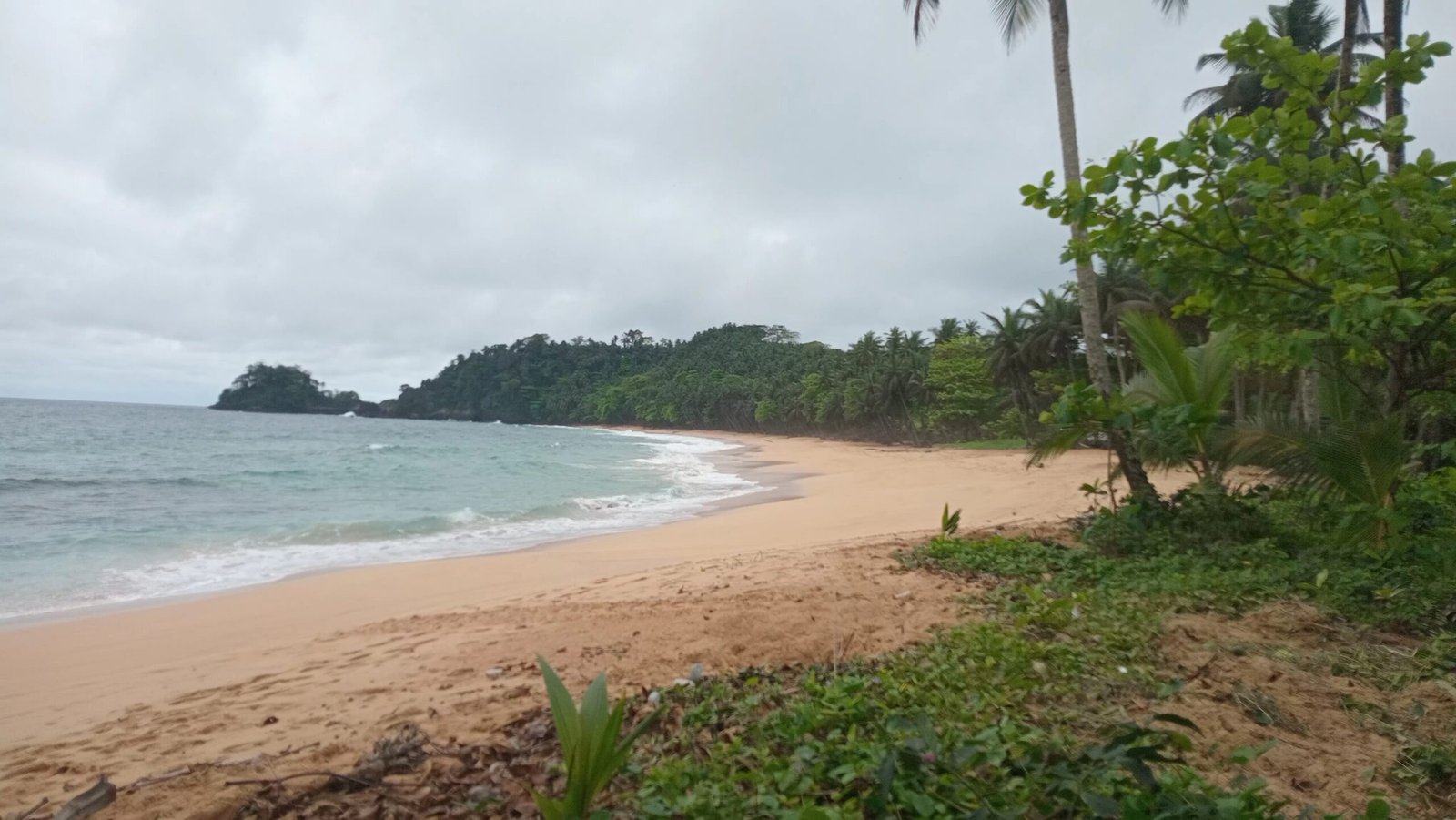
São Tomé and Príncipe is a destination where tropical landscapes, African traditions, Portuguese influences and centuries of history come together. Beyond its beaches, rainforests and volcanic scenery, the islands offer visitors an opportunity to discover a fascinating cultural heritage shaped by different peoples, historical events and economic activities.
Cultural Tours in São Tomé and Príncipe are an excellent way to experience the destination beyond conventional sightseeing. Through visits to historic plantations, local communities, traditional markets, churches, museums, colonial buildings, fishing villages and cultural sites, travelers can learn about the history and daily life of the Santomean people while experiencing the authentic character of the islands.
For travelers interested in history, architecture, gastronomy, traditions and local communities, São Tomé and Príncipe provides many opportunities for meaningful cultural experiences.
Understanding the Cultural Heritage of São Tomé and Príncipe
The cultural identity of São Tomé and Príncipe has developed over centuries. The islands were uninhabited when Portuguese explorers arrived in the late 15th century, and São Tomé later became an important center of plantation agriculture.
Sugar production initially played an important role in the colonial economy. Later, cocoa and coffee became major agricultural products, transforming the islands into important producers within the Portuguese colonial system.
The plantation system brought people from different parts of Africa to the islands, creating communities with diverse cultural backgrounds. Over time, these communities developed distinctive traditions, languages, music, cuisine and social customs.
Today, this history can still be seen in the old roças, traditional houses, churches, agricultural landscapes and historic buildings scattered across São Tomé Island and Príncipe.
A cultural tour allows visitors to understand how this history continues to influence contemporary life.
Explore the Historic Roças of São Tomé
One of the most important cultural experiences in São Tomé is visiting the historic roças, or agricultural plantations.
Roças were large plantation estates that included agricultural areas, workers’ accommodation, administrative buildings, warehouses, hospitals, schools and religious structures. Many were designed as self-contained communities.
Although some plantations are now abandoned or partially ruined, their architecture and surrounding landscapes remain important elements of São Tomé’s cultural heritage.
A cultural tour can include visits to historic plantations such as Roça Agostinho Neto, Roça Água Izé, Roça Monte Café and other former agricultural estates.
These locations offer travelers the opportunity to learn about cocoa and coffee production, plantation architecture and the social history associated with the agricultural economy.
Walking through an old plantation can be particularly memorable because the experience combines history, architecture and nature.
Visit São Tomé City and Its Historic Center
The capital city of São Tomé is another important destination for cultural tourism.
A walking tour through the city provides an introduction to the history of the country and its colonial architecture. Visitors can explore historic streets, public squares, churches, markets and buildings that reflect different periods of the city’s development.
Among the places that can be included in a cultural city tour are São Sebastião Fortress, the Cathedral of São Tomé, Independence Square, the National Museum and the central market.
The city is also an excellent place to observe everyday life.
Instead of simply passing through the capital by vehicle, travelers can walk through local neighborhoods, visit markets and interact with residents. This provides a more personal understanding of how people live, work and socialize in São Tomé.
Discover São Tomé’s Cocoa Heritage
Cocoa is one of the products most closely associated with the history of São Tomé and Príncipe.
During the colonial period, cocoa production became extremely important to the islands’ economy. São Tomé was once known internationally for its cocoa production, and many plantations were established across the territory.
Today, visitors can learn about cocoa cultivation and processing by visiting plantations and agricultural communities.
A cocoa tour may include walking through plantations, observing cocoa trees, learning how cocoa pods are harvested and discovering traditional processing methods.
For food lovers, the experience can also include tasting local chocolate or cocoa-based products.
This combination of agriculture, history and gastronomy makes cocoa tourism an interesting cultural experience for international visitors.
Experience the Coffee Culture of Monte Café
Coffee is another important part of São Tomé’s agricultural heritage.
The central region of the island, particularly around Monte Café, has a long history connected with coffee cultivation.
A visit to Monte Café can introduce travelers to the history of coffee production and the communities that have worked in this sector for generations.
Visitors can learn how coffee is grown, harvested, processed and prepared.
The surrounding landscape is also spectacular, with mountains, forests and agricultural areas creating a completely different environment from the coastal beaches.
A cultural tour combining Monte Café with nearby natural attractions can provide a balanced experience of history, agriculture and nature.
Meet Local Communities
One of the most valuable aspects of cultural tourism is the opportunity to meet local people.
São Tomé and Príncipe is home to communities with distinctive traditions, occupations and lifestyles. Fishing villages, agricultural communities and urban neighborhoods each offer different perspectives on Santomean life.
Responsible cultural tours should prioritize respectful interaction.
Visitors can learn about local traditions, food, music, crafts and daily activities without treating communities simply as tourist attractions.
Depending on the itinerary, travelers may have opportunities to meet local producers, fishermen, artisans, farmers or cultural groups.
These encounters can transform a normal sightseeing trip into a more meaningful travel experience.
Discover Traditional Food in São Tomé and Príncipe
Food is an essential part of culture, and São Tomé’s cuisine reflects the islands’ history and natural environment.
Traditional dishes commonly make use of fish, seafood, plantains, breadfruit, cassava, vegetables, coconut and locally grown spices and herbs.
One of the best ways to understand local culture is to experience the food in a local environment.
A cultural tour can include a traditional lunch or visit to a local restaurant where travelers can taste Santomean dishes.
Fresh fish is particularly important in coastal communities, while agricultural products from the interior contribute to the variety of local cuisine.
For many visitors, discovering the food of São Tomé becomes one of the most memorable parts of the journey.
Traditional Music, Dance and Cultural Expressions
Music and dance are important elements of Santomean cultural identity.
Traditional performances may include styles such as Tchiloli, Dança do Congo and Ússua, each with its own historical and cultural significance.
Tchiloli is particularly distinctive and represents one of the island’s best-known traditional theatrical expressions. Its performances combine theater, music, costumes and historical narratives.
Cultural experiences involving traditional performances should be approached with respect for the communities that preserve these traditions.
When available, travelers can attend cultural presentations or local events and learn about the meaning behind the music, costumes and performances.
Explore the National Museum
The National Museum of São Tomé and Príncipe is an important stop for visitors interested in the country’s history.
Located in São Sebastião Fortress, the museum provides an opportunity to learn about the colonial period, plantation society, religious traditions and material culture.
A visit to the museum can be especially useful at the beginning of a cultural itinerary because it gives travelers historical context before they explore plantations and other heritage sites.
Understanding the historical background makes later visits much more meaningful.
Visit Traditional Markets
Markets provide another fascinating way to experience local culture.
São Tomé’s markets are places where residents buy and sell food, vegetables, fruits, fish, spices and other everyday products.
For visitors, a market visit provides an opportunity to observe local commerce and discover products that may not be familiar to international travelers.
With a knowledgeable local guide, travelers can learn the names and uses of different fruits, vegetables, spices and traditional products.
Markets are also excellent places for photography, although visitors should always ask permission before photographing individuals.
Discover the Culture of Príncipe Island
Although São Tomé is the larger and more populated island, Príncipe has its own distinctive cultural identity.
The island is known for its small communities, historic settlements, tropical environment and preserved traditions.
Santo António, the capital of Príncipe, is an excellent place to experience the island’s atmosphere.
Walking through the town allows visitors to observe historic buildings, churches, local shops and everyday community life.
Príncipe’s cultural experiences can also be combined with visits to former plantations and natural areas, creating an itinerary that connects heritage and biodiversity.
Combine Culture with Nature
One of the greatest advantages of traveling in São Tomé and Príncipe is that cultural experiences can easily be combined with nature.
A single itinerary can include a historic plantation in the morning, a rainforest walk later in the day and a traditional meal in the evening.
Travelers can visit waterfalls, plantations, villages, beaches and historic sites without having to choose between cultural tourism and nature tourism.
For example, a cultural itinerary might combine Monte Café, a plantation visit, a rainforest experience and a local lunch.
Another itinerary could combine São Tomé city, the National Museum, a traditional market and a visit to a nearby plantation.
This flexibility makes the destination suitable for travelers with different interests.
Cultural Tours for Families
Cultural tours can also be excellent experiences for families.
Children can learn about agriculture, history, local food and traditional life through practical experiences rather than only through museums or books.
Visiting a cocoa plantation, for example, allows young travelers to see where chocolate begins.
Walking through a historic plantation can also introduce children to architecture and history in an engaging way.
Family-friendly cultural tours should be adapted to the age and interests of the participants, with comfortable transportation, appropriate walking distances and sufficient time for rest.
Private Cultural Tours in São Tomé
For travelers who prefer flexibility, a private cultural tour can provide a more personalized experience.
Instead of following a fixed group schedule, private travelers can choose the sites and activities that interest them most.
A private cultural tour can include a professional local guide, private transportation, plantation visits, city sightseeing, traditional food experiences and interactions with local communities.
The itinerary can also be adjusted according to the traveler’s interests.
History enthusiasts may prefer a heritage-focused tour, while food lovers may want to emphasize cocoa, coffee and local cuisine. Families may prefer shorter visits combined with interactive experiences.
Why Choose a Local Cultural Guide?
A local guide can make a significant difference to the quality of a cultural experience.
Historic buildings and plantations can be interesting to see, but understanding their background gives them greater meaning.
A knowledgeable guide can explain the history of different locations, introduce local traditions, identify plants and agricultural products, explain cultural practices and help travelers communicate respectfully with local communities.
Local guides also contribute to the local tourism economy by ensuring that tourism benefits people living in the destination.
Responsible Cultural Tourism
Cultural tourism should be based on respect.
Travelers should respect local customs, ask permission before photographing people, avoid damaging historical structures and follow the guidance of local communities.
Responsible tourism also means supporting local businesses whenever possible.
Choosing local guides, restaurants, artisans, producers and community-based experiences can help tourism generate benefits beyond hotels and major tourism companies.
For a destination such as São Tomé and Príncipe, where cultural heritage and natural environments are closely connected, responsible tourism can contribute to the preservation of both.
Plan Your Cultural Tour in São Tomé and Príncipe
A cultural journey through São Tomé and Príncipe can be designed around the interests of each traveler.
A short cultural experience may focus on São Tomé city, the National Museum, historic churches, local markets and traditional cuisine.
A full-day tour can combine the capital with a plantation, agricultural area and local community.
For travelers with more time, a multi-day itinerary can include cocoa plantations, coffee heritage, historic roças, Príncipe Island, traditional villages, local gastronomy and nature experiences.
The most important thing is not simply to visit many places. It is to understand the stories behind them.
Experience the Real São Tomé and Príncipe with Voltours
For travelers looking for more than beaches and conventional sightseeing, Cultural Tours in São Tomé and Príncipe provide an opportunity to discover the history, people and traditions that make the islands unique.
From the historic streets of São Tomé city to the old roças, from cocoa and coffee plantations to traditional markets, villages and cultural performances, every experience reveals another part of the country’s identity.
At Voltours, cultural experiences can be organized around the interests, schedule and travel style of each visitor. Private tours, guided excursions, plantation visits, city tours, cultural experiences and combined nature-and-culture itineraries can be arranged with local support and professional guidance.
São Tomé and Príncipe is more than a tropical destination. It is a place of stories, traditions, flavors, landscapes and living heritage.
Come and discover São Tomé and Príncipe through its culture, history and people. Your journey can begin with a tour—but the memories will stay with you long after you leave the islands.
Cultural Tours in São Tomé and Príncipe: Discover the History, Heritage and Living Traditions of the islands